
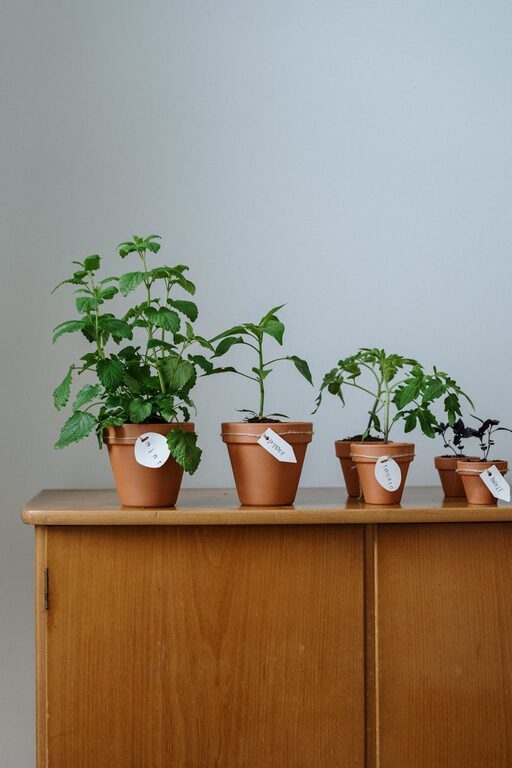
Starting an indoor herb garden is a rewarding and practical way to bring fresh flavors into your kitchen year-round. Whether you have a spacious home or just a small windowsill, growing herbs indoors is doable and enjoyable. This guide will walk you through everything you need to know to get your indoor herb garden flourishing.
Why Grow Herbs Indoors?
Indoor herb gardening offers several benefits, including:
– Freshness: Enjoy freshly picked herbs anytime.
– Convenience: Have herbs at your fingertips while cooking.
– Cost-effective: Save money by growing herbs instead of buying them.
– Aesthetic: Add greenery and a pleasant aroma to your living space.
– Sustainability: Reduce packaging and waste associated with store-bought herbs.
Choosing the Right Herbs for Indoor Gardening
Not all herbs thrive indoors, so picking the right varieties is key. Beginners should start with herbs that are easy to grow and maintain:
– Basil: Needs plenty of light and warmth.
– Parsley: Tolerates lower light, grows well in containers.
– Mint: Hardy and fast-growing but can be invasive; use separate pots.
– Chives: Low maintenance and great for kitchen use.
– Thyme: Prefers sunny spots and well-drained soil.
– Cilantro: Likes cooler, moist conditions but can be a bit tricky.
What You’ll Need to Start
Preparing the right supplies sets your garden up for success:
– Containers: Small pots or containers with drainage holes.
– Potting mix: Use a high-quality, well-draining potting soil.
– Seeds or seedlings: Decide if you want to start from seeds or buy young plants.
– Light source: A sunny windowsill or grow lights for adequate sunlight.
– Watering tools: A small watering can or spray bottle.
– Labels: Optional but helpful to identify your herbs.
Step-by-Step Guide to Starting Your Indoor Herb Garden
1. Select Your Location
Most herbs need about 6-8 hours of sunlight daily. A south-facing windowsill is ideal. If natural light is limited, invest in LED grow lights or fluorescent bulbs to provide enough light.
2. Prepare Your Containers
Ensure your containers have drainage holes to prevent waterlogging. If using decorative pots without holes, place your herb containers inside them and remove after watering to avoid root rot.
3. Fill with Potting Mix
Fill the pots with fresh potting mix, leaving about an inch of space at the top. Avoid using garden soil, which can be heavy and may contain pests.
4. Plant Your Herbs
– Seeds: Follow package instructions for planting depth and spacing. Generally, cover seeds lightly with soil.
– Seedlings: Gently loosen roots before planting. Place the plant in the soil and firm it gently around the stems.
5. Water Appropriately
Water the soil gently to moisten it without saturation. Herbs prefer slightly moist soil but not soggy. Check soil moisture regularly by touching the top inch of soil.
6. Provide Adequate Light
Place your pots in your chosen spot. Monitor the plants daily to make sure they are getting sufficient light. Rotate pots occasionally to ensure even growth.
7. Monitor and Care for Your Herbs
– Fertilize: Use a balanced liquid fertilizer once a month to provide nutrients.
– Prune regularly: Trim herbs to encourage bushier growth.
– Watch for pests: Keep an eye out for common indoor pests like aphids or spider mites.
– Maintain humidity: If indoor air is dry, mist plants occasionally or use a humidity tray.
Tips for Success
– Start small: Begin with three to four types of herbs to get comfortable.
– Use quality seeds or plants: Healthy starting material makes a big difference.
– Keep track: Use labels to note planting dates and care instructions.
– Be patient: Some herbs take longer to grow; consistent care pays off.
– Experiment: Try different herbs and growing conditions to see what works best.
Harvesting Your Herbs
Once your herbs reach a few inches tall and have multiple leaves, you can begin harvesting:
– Use scissors to snip leaves or stems just above a leaf node.
– Avoid harvesting more than one-third of the plant at a time to keep it healthy.
– Regular harvesting encourages new growth and keeps herbs productive.
Troubleshooting Common Issues
– Leggy growth: Often caused by insufficient light; move plants to a brighter spot.
– Yellow leaves: Could be from overwatering or poor drainage.
– Wilting: Check soil moisture; either underwatered or roots may be rotting.
– Pests: Remove pests by hand or rinse leaves with water. Use mild insecticidal soap if necessary.
Conclusion
Growing a small indoor herb garden is a fun, educational, and practical project. With a little planning and care, you can enjoy fresh herbs all year, enhance your cooking, and bring a bit of nature indoors. Start today with simple herbs, and watch your indoor garden thrive!
Happy gardening!